
– norwegian language – culture – nature – community – belonging
– norwegian language – culture – nature – community – belonging
Norwegian Language and Culture
Learn Norwegian by living it.
Spend a year learning Norwegian while experiencing everyday life, culture and nature in Norway.
At Fana Folk High School, you learn Norwegian in the classroom – and use it in real life. Through conversations, activities, excursions and everyday life at school, you build your language skills while getting to know Norwegian culture, society and traditions.
The course is suitable for beginners as well as students who already know some Norwegian. With Bergen as your base, you have the city, mountains, coast and fjords close by – and plenty of opportunities to experience Norway beyond the classroom.
Learn beyond the classroom
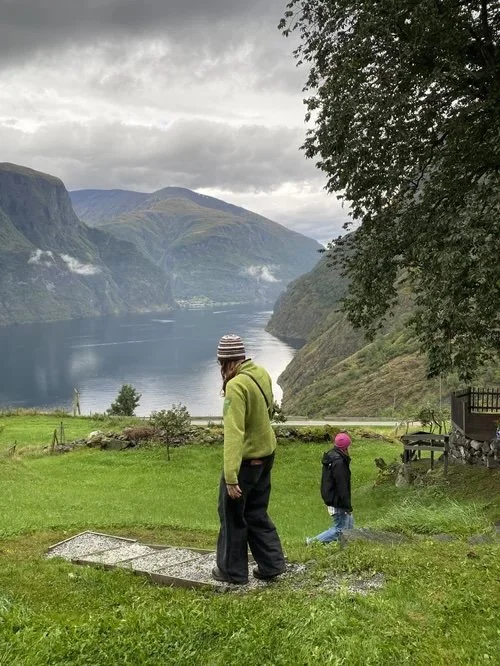
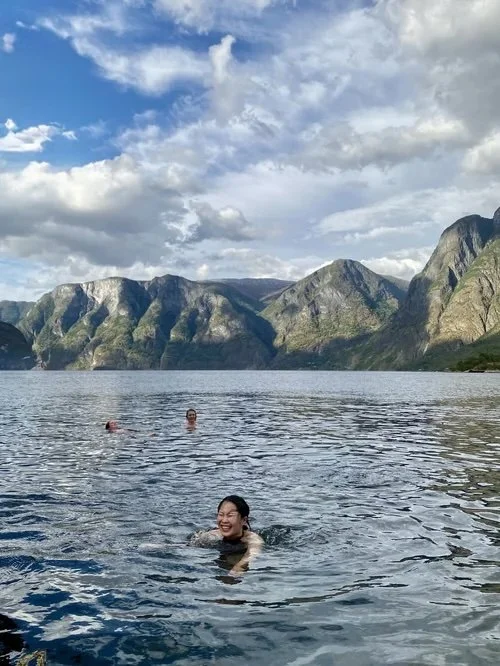
Learning Norwegian is also about getting to know the country, the people and everyday life here. Through trips and activities, you will explore Bergen, the fjords, the coast and the mountains – and learn more about Norwegian culture, history and society along the way.
You might go hiking, canoeing or cross-country skiing, visit museums and cultural sites, and experience what life in Norway is really like together with your classmates.
Experience Norway,
New friendships,
Experience Norway, New friendships,
Learn Norwegian every day

Most classes are taught in Norwegian, and you will use the language throughout the school day – in class, during activities and in everyday conversations. Everyone also speaks English, so you can always ask for help when you need it.
What you’ll do
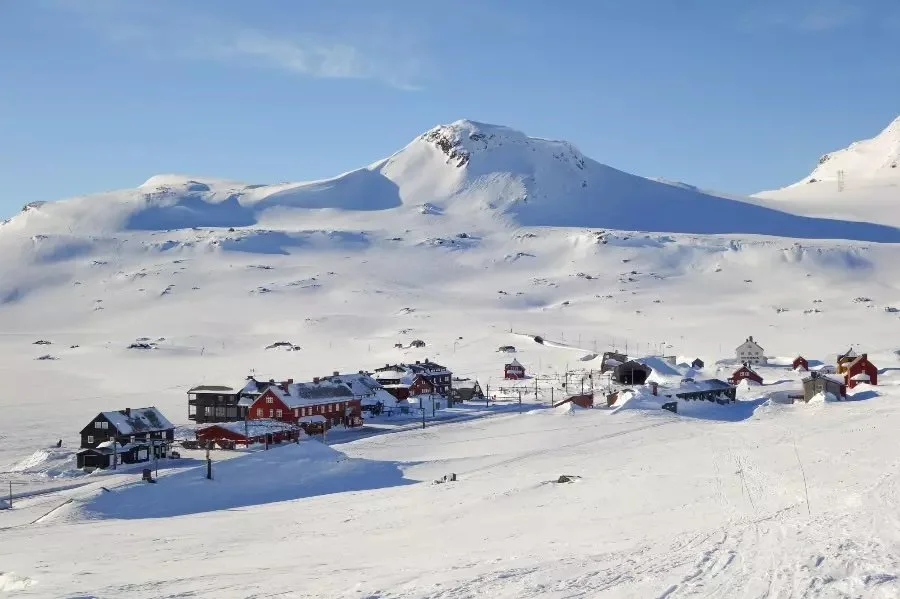
Get to know Norway through museums, concerts, theatre, local traditions and cultural events. In Bergen, you can explore everything from historic Bryggen and Edvard Grieg’s home at Troldhaugen to the city’s music and art scene.
Experience Norwegian culture
Learn about Norway today
Explore Norwegian history, society and everyday life, including topics such as politics, sustainability and the relationship between people and nature.
Explore Bergen and the west coast
Bergen and the surrounding area become part of the classroom. Go hiking in the mountains, visit the coast and fjords, explore Voss and join outdoor activities such as camping, canoeing and cross-country skiing.
Questions You May Have
〰️
Questions You May Have 〰️
-
A Norwegian folk high school is a residential school for young adults, usually attended after upper secondary school. There are no exams or grades. Instead, the focus is on learning through participation, practical experiences, community and personal development.
At Fana, you live at the school with your fellow students, eat meals together and take part in classes, activities, electives and trips. A full school year lasts about nine months, from August to May.
-
A week consists of a mix of main subject time, electives, and common classes. Every morning starts with a morning assembly, where the whole school gathers.
Main subject time includes Norwegian lessons using different methods, as well as excursions in Bergen and the surrounding area.
Most Saturdays we have seminars, where staff members and guest speakers give lectures on various topics.
Sunday is your day off.
Food and Meals
Our skilled kitchen staff are responsible for preparing all meals served at the school. We follow a traditional Norwegian diet. In Norway, it is common to eat bread with various toppings for breakfast, lunch, and the evening meal. Our chefs therefore bake bread on-site, ensuring that we always serve fresh, homemade bread.
Lunch may also include soup made from high-quality ingredients, or traditional Norwegian rice porridge (risengrynsgrøt). On two days each week, students prepare their own packed lunch during breakfast. Dinner is usually a hot meal.
Meals are normally served at the same times each weekday:
Breakfast: 08:30
Lunch: 12:00
Dinner: 15:30
Evening meal: 19:00
In addition, we have a student kitchen where you are welcome to prepare your own food if you wish. The kitchen is equipped with a refrigerator and freezer, allowing you to store some personal food items in addition to the regular meals provided.
Holidays
The school is closed during holidays. We do not have supervision (no one at work), and therefore overnight stays at the school are not allowed.On departure days before the holidays, there are classes until 12:00 PM. The last meal served is lunch.
After the holidays, the school always has an arrival day on the day before the first day of school. The first meal served is supper.
If you want to stay in Bergen, we recommend you to stay at Montana Vandrerhjem;
«Get ready for experiencing a super welcoming atmosphere while staying surrounded by nature and one of the most beautiful landscapes in Bergen. Whether you want to hike and explore the mountains with our volunteers, simply spend a quiet evening by the fireplace in the TV lounge, or kick it with a game of table tennis and table football in our common room: We have what you need!!»
-
Yes. Norwegian Language and Culture is suitable for complete beginners as well as students who already know some Norwegian.
Most teaching is in Norwegian, but English is used to help explain and translate when needed.
-
You can expect to make significant progress, but how much Norwegian you learn will depend on your starting level, participation and how much you use the language in everyday life.
The course includes around 150 hours of Norwegian language instruction, covering basic grammar, vocabulary and everyday communication. You will also hear and use Norwegian throughout the school day. Fana describes the goal as being able to speak and understand Norwegian reasonably well after a year, depending on your own effort.
-
Most teaching at Fana is in Norwegian. English can be used for explanations and translation when needed, so you do not have to understand everything from the beginning.
Being surrounded by Norwegian throughout the school day is an important part of how you learn the language.
-
Yes. Folk high school is commonly taken as a gap year after upper secondary school. Most folk high school students are between 18 and 25 years old, and many attend before starting university, work or another form of education.
The year combines learning with independence, new friendships, activities and living away from home.
-
For the 2026–2027 school year, Norwegian Language and Culture costs NOK 138,000.
The price includes the enrolment fee, accommodation and meals, course-related materials, books, excursions and study trips, as well as common school costs such as joint trips, school-organised travel insurance, cultural activities, laundry and internet.
A refundable NOK 2,000 deposit is charged in addition. Some optional expenses, adapted diets and other personal expenses may cost extra.
-
Norwegian Language and Culture uses Bergen and Western Norway as part of the classroom.
Activities and excursions may include mountain hikes, canoeing, cross-country skiing, camping, visits to the coast and fjords, trips to Voss, museums, historic sites, concerts, theatre and cultural events in Bergen.
The exact programme can vary during the school year. Course-related excursions and study trips are included in the course costs.
-
It depends on your citizenship.
If you are from outside the EU/EEA and will attend folk high school in Norway for more than three months, you will normally need to apply for a Norwegian study permit. You must first have been admitted to the school and meet UDI’s financial and other requirements.
EU/EEA citizens staying for more than three months normally need to register in Norway. For folk high school students, UDI states that this registration is based on having sufficient funds. Nordic citizens do not need to register under the EU/EEA scheme, but must report their move if they are moving to Norway.
Always check the current requirements for your citizenship directly with UDI before applying.
Price
Your teacher

Study Trips
Study trips are an important part of the Norwegian Language and Culture course. They give you the opportunity to experience different parts of Norway, learn more about Norwegian culture and traditions, and spend time outdoors in some of the country’s most characteristic landscapes.
The trips are also a social part of the school year, where you share experiences with your classmates and get to know Norway beyond Bergen and the classroom.

